


Ghana’s financial services sector is one of the most dynamic in West Africa. Over the past decade, it has experienced rapid transformation driven by digital innovation, regulatory reforms, and increasing financial inclusion. However, the industry is now undergoing a deeper structural shift that is redefining how financial value is created and delivered.
Growth is no longer constrained by demand. Instead, it is shaped by how effectively institutions adapt to technology, customer expectations, and regulatory pressure. Traditional banking models are being challenged by new digital-first competitors, requiring a fundamental rethink of strategy and execution.
Below are the key trends shaping the future of banking and fintech in Ghana.
1. Mobile Money as the Default Financial Layer
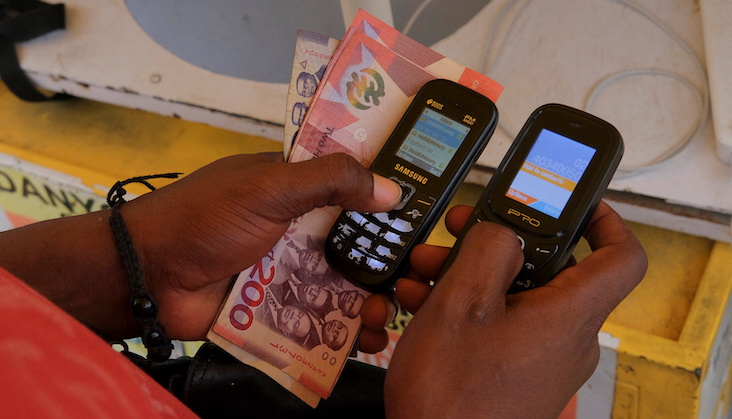
Mobile money has evolved from an alternative payment option into the dominant financial infrastructure in Ghana. It now supports everyday transactions such as payments, savings, transfers, and even informal lending.
This widespread adoption has significantly reduced reliance on traditional banking channels, especially among unbanked and underbanked populations. As a result, mobile money has become the primary entry point into the financial system for millions of people.
2. The Rise of Fintech Specialization
The fintech sector in Ghana is maturing quickly. Early fintech companies often attempted to offer multiple services at once, but the market is now shifting toward specialization.
Modern fintech firms are focusing on solving specific problems such as digital payments, lending, savings products, or cross-border remittances. This narrow focus allows them to innovate faster, reduce operational complexity, and deliver more efficient user experiences.
3. Rising Customer Expectations
Customer expectations in financial services have changed dramatically due to digital transformation. Users now expect instant transactions, simple onboarding processes, and seamless mobile-first experiences.
Convenience and speed are no longer competitive advantages, they are baseline requirements. Institutions that fail to deliver smooth and reliable digital experiences risk losing customers to more agile competitors.
4. Data-Driven Credit Models
The traditional approach to lending, which relies heavily on collateral and formal credit history, is being replaced by data-driven credit assessment models.
Financial institutions now use alternative data sources such as mobile money transactions, digital payment behavior, and customer activity patterns to evaluate creditworthiness. This shift is expanding access to credit for individuals and small businesses that were previously excluded from formal financial systems.
However, it also introduces new challenges related to data accuracy, risk assessment, and responsible lending.
5. Regulatory Tightening Post-Crisis
Following recent financial sector reforms, Ghana’s regulatory environment has become more structured and stringent. Regulators are now focused on strengthening governance, improving capital adequacy, enhancing consumer protection, and ensuring overall financial stability.
While this has improved trust in the financial system, it has also increased compliance requirements for institutions operating in the sector.
Strategic Implications for Financial Institutions
The trends shaping Ghana’s financial ecosystem highlight a clear shift away from traditional banking models toward more integrated and digital-first approaches.
Financial institutions must clearly define their position within the mobile money ecosystem, whether through competition, collaboration, or integration. At the same time, they must respond to the rise of specialized fintech firms by focusing on core strengths and building strategic partnerships where necessary.
Customer experience must become a central priority. Speed, simplicity, and reliability are now essential for retaining customers in a highly competitive environment.
Additionally, the adoption of data-driven credit models requires stronger investment in analytics, risk management, and responsible lending frameworks to balance inclusion with financial stability.
Finally, regulatory compliance should be viewed as a strategic function rather than a burden. Institutions that align early with evolving regulations will build stronger resilience and trust in the long term.
Conclusion
Ghana’s financial services sector is undergoing a fundamental transformation driven by mobile money dominance, fintech specialization, evolving customer expectations, data-driven lending, and tighter regulation.
The future of banking and fintech in Ghana will not be defined by a single model but by hybrid systems that combine the stability of traditional banking with the agility of digital innovation.
Institutions that adapt quickly, invest in technology, and prioritize customer-centric strategies will be best positioned to thrive in this new financial landscape.